


-

Add: HeBei ShengShi HongBang Cellulose Technology CO.,LTD.
-

Email
13180486930@163.com -

CONTACT US
+86 13180486930

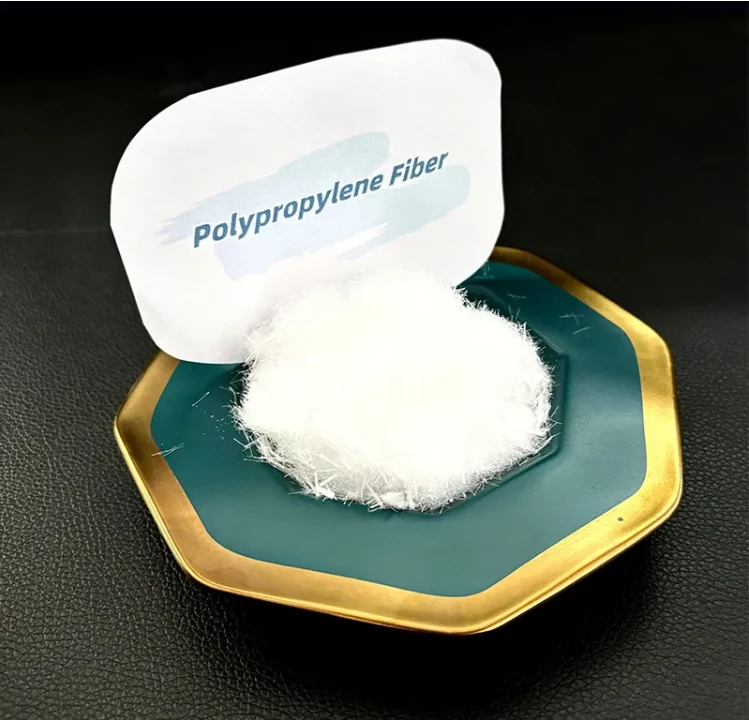
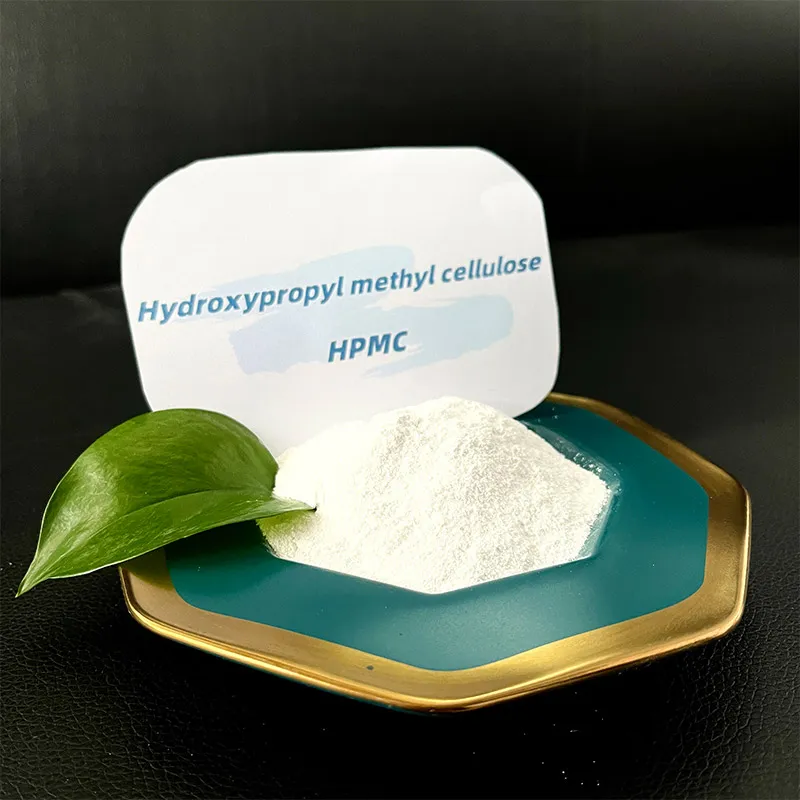


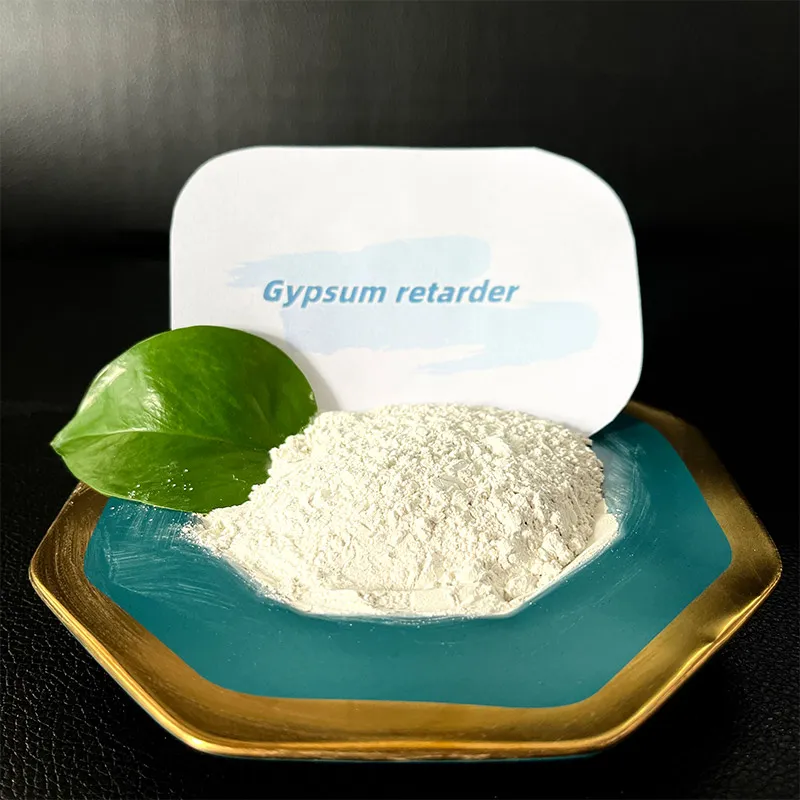
In the demanding world of construction finishes, controlling time is paramount. A plaster retarder serves as a crucial chemical admixture specifically designed to decelerate the setting reaction of plasters, primarily those based on gypsum. This deliberate delay is far from a mere convenience; it's a fundamental requirement for achieving high-quality, durable, and aesthetically pleasing surfaces. Both gypsum retarder additives and broader plaster retarder formulations work by interfering with the crystallization process of calcium sulfate dihydrate (the final set gypsum product). They adsorb onto the surface of hemihydrate particles (the main component of plaster) or complex with calcium ions in solution, hindering the nucleation and growth of the dihydrate crystals that form the hardened structure. This controlled intervention transforms the plaster from an unworkable paste into a manageable material, granting applicators the vital window needed for precise placement, thorough consolidation, intricate detailing, and achieving a truly smooth finish before the irreversible hardening occurs. Key Advantages Delivered by Gypsum Plaster Retarder The strategic incorporation of a gypsum plaster retarder unlocks a cascade of significant benefits that directly elevate the application process and the final result: Extended Workability and Application Window: This is the most immediate and critical benefit. Without a gypsum retarder , standard gypsum plasters can begin stiffening within minutes, forcing applicators into a rushed, often compromised process. A plaster retarder reliably extends the plastic state, often by 30 minutes to several hours depending on dosage and type. This allows tradespeople ample time for large batch mixing, transporting material, meticulous application over larger areas, complex mold work, detailed ornamentation, and careful finishing without the panic of the mix setting up prematurely. The pressure is removed, enabling focus on craftsmanship. Enhanced Finish Quality and Reduced Defects: Rushing plaster application is a primary cause of surface imperfections. A gypsum plaster retarder facilitates smoother troweling, easier leveling, and superior compaction. This directly minimizes the risk of air pockets, surface roughness, tool marks, and cold joints (visible lines where fresh plaster meets partially set plaster). The extended open time allows for re-troweling to achieve the desired ultra-smooth surface as the plaster begins to firm up, leading to a visibly superior finish requiring less remedial sanding. Improved Sag Resistance on Vertical and Overhead Surfaces: While extending workability, specific gypsum retarder formulations can also enhance the plaster's cohesion and thixotropy (its ability to become less viscous under shear stress, like troweling, but thicker when static). This improved body helps the plaster cling to vertical walls and ceilings during the extended working period, significantly reducing sagging or slumping before initial set occurs. This is vital for achieving uniform thickness on walls and preventing drooping on ceilings. Optimized Performance in Challenging Conditions: High ambient temperatures dramatically accelerate the setting of gypsum plaster, making summer application particularly difficult. A gypsum plaster retarder becomes indispensable in hot weather, counteracting the accelerated set and maintaining a viable working time. Similarly, when placing thick layers or using plaster in complex forms where heat buildup can occur internally, the retarder ensures uniform setting throughout the mass. Increased Flexibility for Large Projects and Complex Work: For large-scale plastering jobs, consistent workability across multiple batches is essential. A reliable plaster retarder ensures uniformity, preventing earlier batches from setting before later ones are applied. In restoration work or intricate decorative plastering involving molds and casts, the extended time provided by the retarder is non-negotiable for achieving accurate replication and detailed artistry. Reduced Material Waste: The pressure of rapid setting often leads to mixed batches hardening before they can be fully used. By significantly extending the usable life of the mixed plaster, a gypsum retarder directly reduces this form of costly material waste. Implementing Gypsum Retarder Effectively in Practice Realizing the full benefits of a gypsum retarder requires understanding its practical use: Types and Mechanisms: Common gypsum retarder chemicals include organic acids (citric acid, tartaric acid, their salts), modified carbohydrates, and certain protein derivatives. Each interacts slightly differently with the gypsum crystallization process. Liquid retarders offer ease of dosage but require careful water adjustment; powdered retarders are common in pre-mixed plasters and require thorough dry blending. Precision Dosage is Critical: The effectiveness of a plaster retarder is highly dosage-dependent. Too little provides insufficient worktime extension; too much causes severe, potentially indefinite retardation, weak final strength, surface dusting, and efflorescence risks. Manufacturers provide specific dosage ranges , which must be followed meticulously. Factors influencing optimal dosage include plaster composition, desired set time extension, water temperature, and ambient conditions. Always conduct small batch tests when changing retarder type, brand, or plaster source. Consistent Mixing and Dispersion: For powdered retarders, especially in site-mixed applications, thorough and uniform blending with the dry plaster powder before adding water is essential. Poor dispersion leads to localized areas of severe retardation and inconsistent setting. Adequate mixing time after water addition ensures the retarder dissolves and interacts effectively. Water Quality and Temperature Awareness: Hard water (high in calcium/magnesium) can sometimes interfere with certain retarders. More critically, water temperature significantly impacts set time. Using warm water accelerates the set, potentially requiring slightly higher retarder dosage; cold water slows the set. The gypsum plaster retarder dosage needs to be considered relative to the actual mixing water temperature. Environmental Considerations: While primarily focused on temperature's effect on set time, also consider humidity and airflow. Low humidity and high airflow increase evaporation, which can superficially stiffen the plaster surface even while the bulk is still chemically plastic. This might be mistaken for setting but is actually just drying. Comparing Retarder Needs: Gypsum and Other Plasters While gypsum retarder technology is highly developed due to gypsum's inherent rapid set, the need for controlled workability extends to other plaster types, though the mechanisms differ: Cement Plasters/Renders: Cement-based materials set primarily through hydration, a much slower process than gypsum crystallization. Retarders for cement (often lignosulfonates, carbohydrates, or synthetic polymers) work by delaying the hydration reactions. The focus is less on preventing flash set and more on extending workability for large pours, preventing cold joints in hot weather, or allowing time for intricate texturing. The required extension time is usually longer than with gypsum, and dosages differ significantly. A general plaster retarder label might encompass both, but specific formulations are optimized for the binder chemistry. Lime Plasters: Traditional lime plasters set very slowly through carbonation. Modern hydraulic limes set faster via hydration. Retarders for hydraulic lime plasters function similarly to cement retarders. The primary need arises in hot weather or for complex applications. Pure lime plasters rarely need chemical retardation. Specialty Plasters: Veneer plasters, gauging plasters , and synthetic resin-based plasters all have specific setting mechanisms. Each may utilize bespoke retarders tailored to their chemistry. The gypsum plaster retarder concept is most directly applicable to products where gypsum is the primary or sole binder controlling the set. FAQs about Gypsum Plaster Retarder How much extra working time can I expect from a plaster retarder? The extension provided by a plaster retarder varies significantly based on the specific retarder type, its dosage, the gypsum plaster composition itself, water temperature, and ambient conditions. Potent organic acid retarders like citrates can easily double or triple the initial working time at moderate dosages. Precise control requires consulting the retarder manufacturer's data sheets and conducting small-scale trial batches under anticipated jobsite temperatures to determine the exact dosage needed for the desired workability window. Never assume a fixed extension time. Can I add more water to extend workability instead of using a gypsum plaster retarder? Absolutely not. Adding excess water beyond the mix design requirements severely compromises the hardened plaster. It increases porosity, drastically reduces final strength and durability, promotes excessive shrinkage cracking, and leads to surface dusting. A gypsum retarder extends workability chemically without altering the critical water-to-plaster ratio, preserving the integrity and performance of the final product. How does a gypsum retarder affect the final strength? When used at the correct dosage, a quality gypsum plaster retarder has minimal negative impact on the ultimate compressive and flexural strength of the fully cured gypsum. It primarily delays the setting reaction but allows full crystallization to occur eventually. However, significant overdosing can lead to incomplete crystal formation and weaker, more porous structures, resulting in reduced strength. Proper dosage is key to maintaining strength while gaining workability. Is a gypsum plaster retarder necessary for all applications? No, it's application-dependent. For small repairs, areas easily finished quickly, or in consistently cool conditions, the natural set time of the plaster might be sufficient. However, for large ceiling or wall areas, complex shapes, intricate details, machine application, hot weather work, or projects requiring consistent batch-to-batch workability over hours, a plaster retarder is essential for achieving quality results efficiently and minimizing waste. Can I use citric acid directly as a gypsum retarder? While citric acid is a common active ingredient in many commercial gypsum retarder products, using pure food-grade citric acid is not recommended. Commercial retarders are precisely formulated blends that often include dispersants, anti-foamers, and other modifiers to ensure consistent performance, predictable retardation, good mixability, and minimal side effects like excessive air entrainment or surface blemishes. Pure citric acid can be difficult to dose accurately at the very low levels required and may lead to inconsistent results or unwanted effects. Understanding the different types of retarders, their precise dosage requirements, and their optimal use conditions is crucial for formulators and applicators alike. Whether labeled broadly as a plaster retarder or specifically as a gypsum plaster retarder , these chemical tools are indispensable for anyone committed to achieving the highest standards in gypsum-based finishes, proving that in the art and science of plastering, controlling time is synonymous with controlling quality.
- 40000tons

Production
- 20+years

Experience
- 5000+㎡

Acreage

-
The unique behavior of starch ether in construction chemistry stems from deliberate modifications to the natural starch molecule. Derived from renewable plant sources like corn, potato, or tapioca, native starch possesses limited utility in demanding building applications due to its sensitivity to water, temperature, and enzymatic degradation. Through controlled chemical etherification – introducing alkyl or hydroxyalkyl groups (e.g., methyl, hydroxyethyl, hydroxypropyl) onto the glucose units – the resulting starch derivatives gain transformative properties. This process fundamentally alters the starch granule, enhancing water solubility, stabilizing viscosity, and imparting resistance to retrogradation (recrystallization) and enzymatic attack. Key among these starch derivatives is hydroxyethyl starch , where hydroxyethyl groups are grafted onto the backbone. This modification significantly boosts cold water solubility, improves electrolyte tolerance (crucial in cement systems), and enhances thermal stability compared to methylated counterparts. The molecular architecture dictates critical performance aspects like thickening efficiency, water retention capacity, adhesion promotion, and film formation – making starch ether a versatile and sustainable cornerstone in modern dry-mix mortars and plasters. Performance Advantages of Hydroxyethyl Starch in Mortars Hydroxyethyl starch exemplifies the optimized performance achievable within the starch ether family, offering distinct benefits for cementitious and gypsum-based systems: Superior Water Retention: Like all effective starch derivatives , hydroxyethyl starch significantly reduces water loss to porous substrates and evaporation. This ensures prolonged water availability for complete cement hydration or gypsum crystallization, preventing premature drying, plastic shrinkage cracking, weak surfaces, and poor adhesion. Its structure provides excellent film-forming ability over pore surfaces. Efficient Thickening and Rheology Control: Hydroxyethyl starch acts as a potent thickener, rapidly developing viscosity upon contact with water. This imparts desirable consistency, improving sag resistance on vertical surfaces, enhancing cohesion to reduce splatter, and providing smooth, buttery workability for troweling. The viscosity profile is often more stable under varying pH and salinity compared to some other starch ether types. Enhanced Adhesion and Cohesion: By forming flexible films at interfaces and within the mortar matrix, hydroxyethyl starch promotes stronger adhesive bonds to substrates (like concrete, brick, or insulation boards) and increases the internal cohesion of the material itself. This is vital for tile adhesives, renders, and plasters. Improved Open Time and Workability: Certain starch derivatives , particularly hydroxyethyl starch , can offer a beneficial balance between early viscosity build-up and extended workability. They help maintain plasticity and toolability longer than some cellulose ethers alone, allowing applicators more time for adjustment, especially in tile setting or large plaster areas. Synergy with Other Additives: Hydroxyethyl starch often exhibits excellent compatibility with common mortar additives like cellulose ethers, redispersible polymer powders, and air-entraining agents. Distinctive Benefits of Starch Derivatives Over Synthetic Polymers While synthetic polymers dominate some sectors, starch derivatives offer compelling advantages driving their adoption in building materials: Renewable and Sustainable Origin: Derived from annually renewable plant biomass, starch ether boasts a significantly lower carbon footprint compared to petroleum-based synthetics. This aligns strongly with growing demands for sustainable construction practices and green building certifications. Biodegradability: At the end of a building's life cycle, mortars containing starch derivatives offer improved potential for biodegradation compared to purely synthetic polymer-modified materials, reducing long-term environmental burden. Cost-Effectiveness: Generally, starch ether provides a more economical solution per unit of performance, particularly regarding water retention and thickening, compared to equivalent dosages of many synthetic cellulose ethers or redispersible powders. This enables formulators to achieve target performance at lower overall additive cost. Low Dusting and Improved Handling: Many starch derivatives are available in granular or agglomerated forms, significantly reducing dust generation during handling and mixing compared to fine cellulose ether powders, improving workplace conditions. Reduced Stickiness: Mortars modified with specific starch ether types, especially some hydroxyethyl starch grades, can exhibit less surface stickiness during troweling compared to mortars heavily reliant on certain cellulose ethers, leading to a smoother finish. FAQs about Essential Starch Ether How does hydroxyethyl starch compare to standard starch ether? Hydroxyethyl starch represents a specific, high-performance category within starch ether . The key difference lies in the etherification group: hydroxyethyl versus methyl or others. This hydroxyethyl group grants hydroxyethyl starch superior cold-water solubility, better tolerance to dissolved salts and ions (common in cement systems), higher viscosity stability across a broader pH range, and often enhanced resistance to enzymatic breakdown compared to methyl starch ether. These properties make hydroxyethyl starch particularly suitable for demanding cementitious applications where consistent performance is critical. Are starch derivatives strong enough for structural applications? Starch derivatives like starch ether are primarily functional additives, not strength-enhancing agents. Their core role is to improve fresh mortar properties (workability, water retention, adhesion) and reduce cracking. While they contribute to better hydration and cohesion, which indirectly support strength development, they do not significantly increase the ultimate compressive or flexural strength of hardened concrete or mortar like specific synthetic polymers might. Their use is most valuable in non-structural applications like tile adhesives, renders, plasters, joint compounds, and repair mortars where workability and durability are paramount. Will using starch ether make my mortar biodegradable? Incorporating starch ether enhances the potential for biodegradability compared to mortars relying solely on synthetic polymers. The starch derivatives component is inherently biodegradable under suitable environmental conditions (presence of microorganisms, moisture, oxygen). However, the mortar matrix itself, dominated by cement or gypsum and aggregates, is mineral-based and degrades very slowly through physical and chemical weathering, not biological processes. Therefore, while the organic additive fraction biodegrades more readily, the entire mortar piece does not become "biodegradable" in the common sense. It contributes to a reduced environmental footprint but doesn't eliminate the need for responsible demolition and disposal practices. Can starch ether completely replace cellulose ether? While starch ether , particularly hydroxyethyl starch , offers overlapping functionalities with cellulose ethers, complete replacement is often not straightforward or optimal. Starch derivatives excel in water retention and are highly cost-effective thickeners. However, cellulose ethers frequently provide superior film strength, better enzyme resistance in cement, and more predictable retardation profiles. The most effective strategy is often synergistic blending. Starch ether can replace a significant portion of the cellulose ether in many formulations, maintaining key performance aspects like water retention and workability while achieving substantial cost savings and leveraging sustainability benefits. The optimal ratio depends heavily on the specific application and performance requirements. Does temperature significantly affect starch ether performance? Yes, temperature significantly impacts starch ether performance. High ambient temperatures accelerate the setting of cementitious materials and increase water evaporation rates. The unique properties of starch ether , exemplified by specialized variants like hydroxyethyl starch , have secured its vital role in modern, sustainable building material formulations. As a key category of starch derivatives , it delivers indispensable functions: exceptional water retention safeguarding against cracking and ensuring proper hydration, efficient thickening for superior workability and sag resistance, and enhanced adhesion for durable bonds. Its renewable origin and biodegradability profile offer a compelling environmental advantage over purely synthetic alternatives, aligning with the construction industry's increasing sustainability mandates.
-
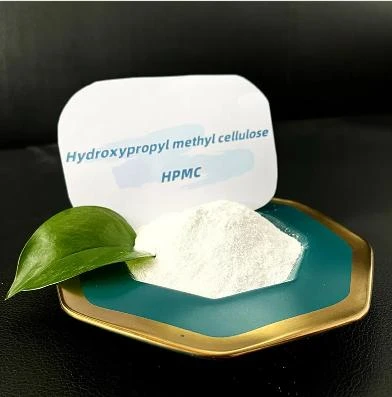
Die Verwendung von HPMC CMC in der modernen Industrie hat sich als bahnbrechend erwiesen. HPMC (Hydroxypropylmethylcellulose) und CMC (Carboxymethylcellulose) gelten in vielen Herstellungsprozessen als essenzielle Bestandteile. Diese Polymeren werden häufig in der Pharma-, Lebensmittel- und Bauindustrie eingesetzt. Einer der Hauptvorteile von HPMC ist seine Vielseitigkeit . In der pharmazeutischen Industrie verbessert es die Bioverfügbarkeit von Medikamenten und gewährleistet eine kontrollierte Freisetzung von Wirkstoffen. Dies wird durch die Film-bildenden Eigenschaften von HPMC ermöglicht, die es zu einer bevorzugten Wahl für die Herstellung von Medikamentenkapseln und Tabletten machen. Ärzte und Apotheker weltweit vertrauen auf den stabilen und zuverlässigen Einsatz dieser Substanz. Die Wirksamkeit von CMC zeigt sich hingegen besonders im Lebensmittelbereich. Als Verdickungsmittel in Saucen und Getränken gewährleistet CMC eine gleichmäßige Konsistenz und verbessert die Mundgefühl des Produkts. Seine Verwendung in glutenfreien Brotprodukten bietet zudem eine ideale Lösung für Konsumenten mit speziellen Ernährungsbedürfnissen. Zudem ist CMC dafür bekannt, die Haltbarkeit von Lebensmitteln zu verlängern, was zu einer Reduzierung von Lebensmittelabfällen führt. Die enge Zusammenarbeit mit Ernährungswissenschaftlern und Lebensmitteltechnikern unterstreicht die Bedeutung und das Vertrauen in die Anwendbarkeit von CMC. Im Bauwesen steigert HPMC die Klebekraft von Mörtel und verbessert die Beständigkeit von Fassaden und anderen Baumaterialien. Dies trägt nicht nur zur Langlebigkeit von Bauwerken bei, sondern ermöglicht auch innovatives Design unter heutigen klimatischen Herausforderungen. Internationale Bauunternehmen schätzen HPMC für seine Stabilität und Anpassungsfähigkeit unter verschiedenen Wetterbedingungen. HPMC ist CMC Gerade in einem globalen Markt ist die Glaubwürdigkeit eines Produkts entscheident. Daher achten Hersteller von HPMC und CMC strikt auf Qualitätskontrollen. ISO-Zertifizierungen und regelmäßige Inspektionen durch unabhängige Labore dienen der Sicherstellung höchster Standards. Dies schafft Vertrauen bei Investoren, Anwendern und Endkonsumenten gleichermaßen. Die enge Zusammenarbeit mit renommierten Forschungseinrichtungen weltweit fördert zudem die kontinuierliche Weiterentwicklung dieser Polymerstoffe. Experten sind ständig bemüht, die Effizienz und Qualität der Materialien zu verbessern, um neue Anwendungsgebiete zu erschließen. Diese Partnerschaften tragen dazu bei, den technologischen Fortschritt und die wirtschaftliche Wettbewerbsfähigkeit zu sichern. In einer sich ständig verändernden Welt zeigt der Einsatz von HPMC und CMC, wie chemische Innovationen grundlegende Herausforderungen bewältigen können. Um mit der rasanten Technologieentwicklung Schritt zu halten, ist es entscheidend, die neuesten Forschungsergebnisse zu nutzen und gleichzeitig auf ethisch vertretbare und nachhaltige Herstellungsverfahren zu setzen. Die Zukunft sieht große Potenziale für eine noch breitere Anwendung dieser wichtigen Stoffe, die über rein funktionale Aspekte hinaus auch eine ökologische Verantwortung tragen. Zusammenfassend lässt sich sagen, dass HPMC und CMC nicht nur wegen ihrer funktionellen Eigenschaften unentbehrlich sind, sondern auch wegen ihrer weitreichenden Auswirkungen auf verschiedene Branchen. Durch die Kombination von praktischer Anwendbarkeit und wissenschaftlicher Exzellenz werden sie unverzichtbare Elemente einer modernen, nachhaltigen Produktion weltweit.
advantages
-

200000 Viscosities
Excellent product
We can produce pure products up to 200,000 viscosities
-

40000 tons
High yield
We don’t stop production all year round, and the annual output can reach 40,000 tons
-

24 hours
Quality service
We provide 24-hours online reception service, welcome to consult at any time
———— Inquiry Form
Schedule A services


-
 bei_ya_wanga_ether
Oct . 25, 2025
The Significance of Cellulose and HPMC in Modern Applications Cellulose, the most abundant organic p -
 proveedores_de_fibra_pp
Oct . 25, 2025
Navigating the world of methylcellulose, a versatile compound with applications in numerous industri -
 hpmc_safety
Oct . 25, 2025
Hydroxypropyl methylcellulose, abbreviated as HPMC, is revolutionizing various industries due to its


